There are two basic incipiences (उदगम) of ways-of-life. One is located East of Indus river while the otherin Central Asia. These ways of life have given rise to several religions. Indic religions are Santam Dharam, Jainism, Buddhism, Sikhism and many other sects, Collectively called Hinduism (as defined in the Constitution). While other religions like Judaism, Christianity, Islam and many sects. This blog highlights the glory of pre-invasion era way of life in Indian sub-continent.
Friday, August 21, 2020
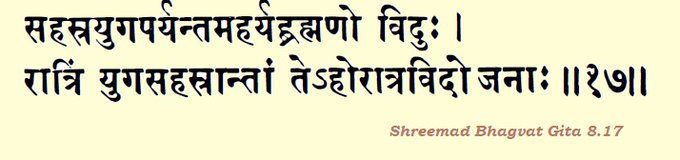
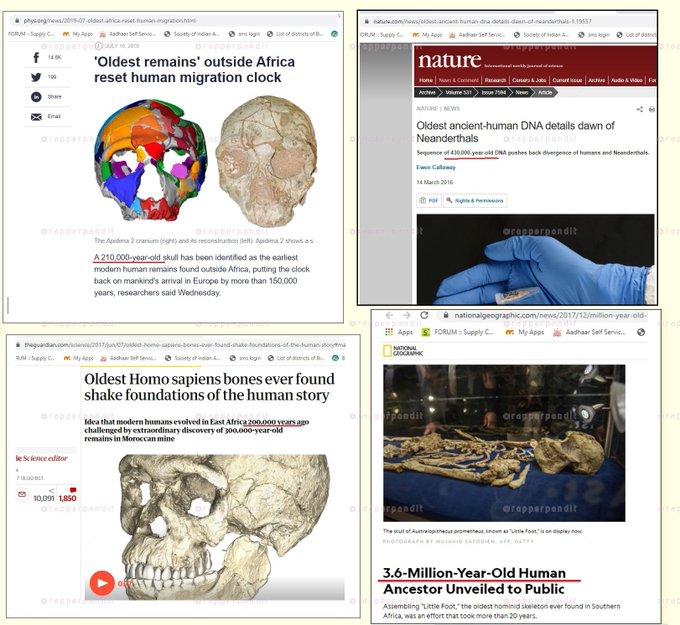
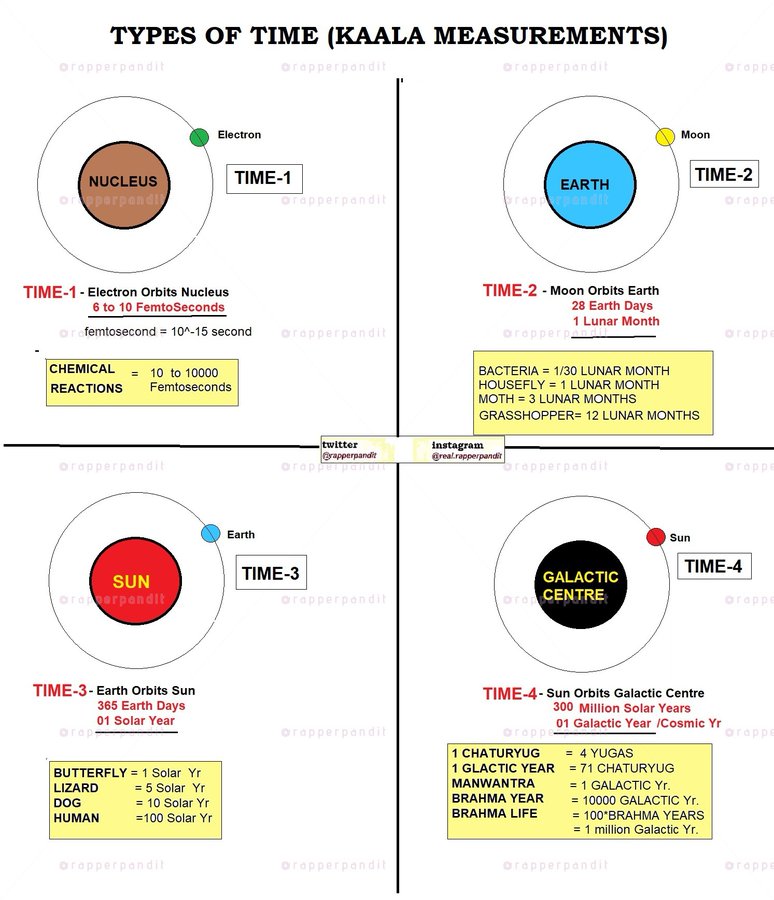
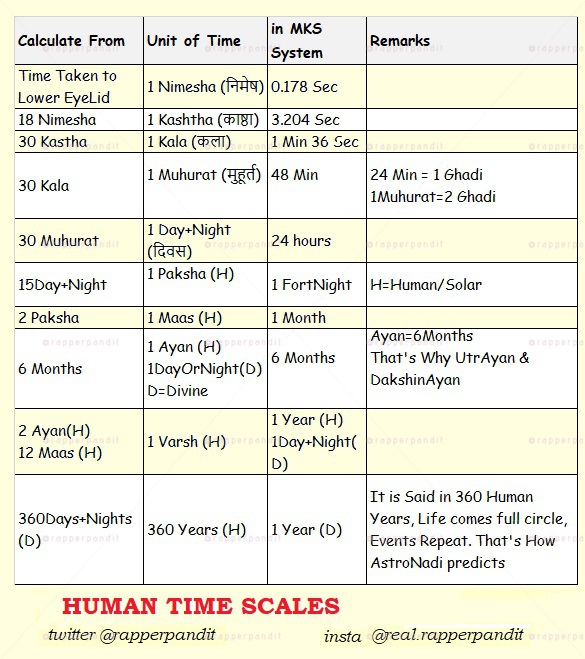
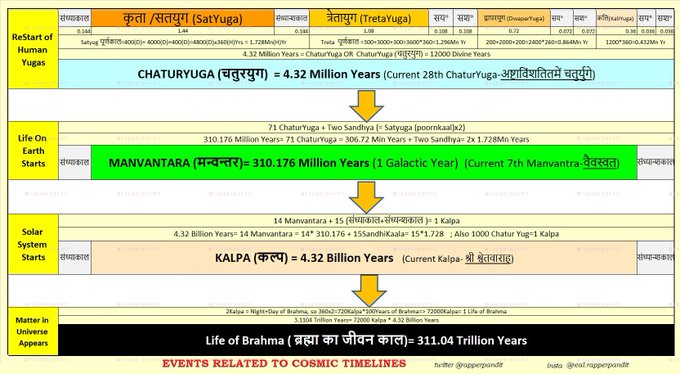
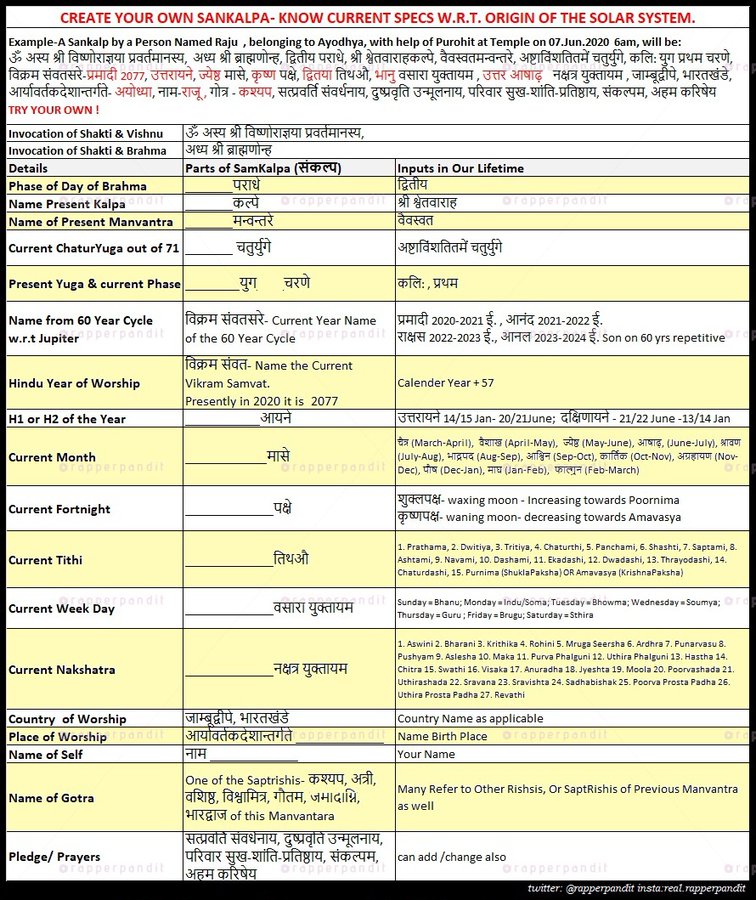
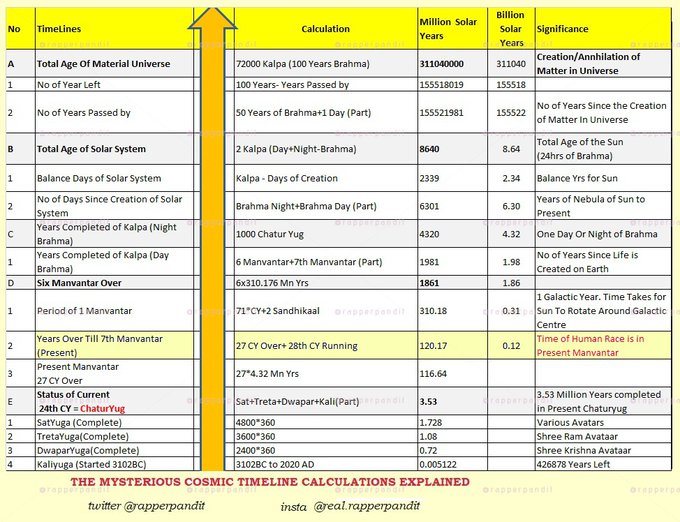
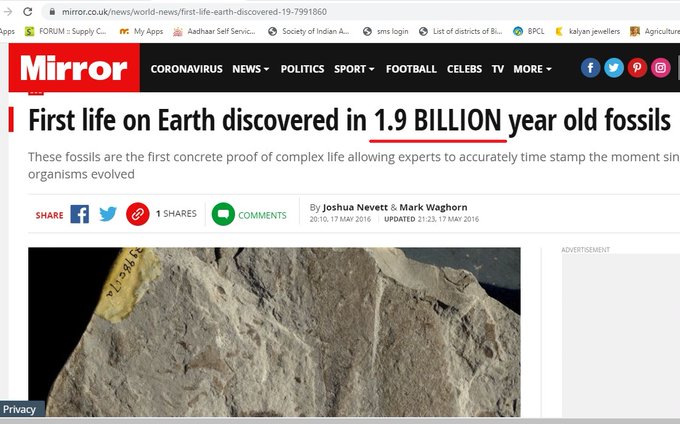
Timelines of Humans in Hinduism
Monday, August 17, 2020
Caste discrimination in Mahabharata
Source: https://twitter.com/VedicWisdom1/status/1295361527612977153?s=20
These are two famous Myths here which will be debunked. 1. Eklavya was discriminated against because of his caste. Wrong there is no Caste issue in this story.
Drona specifically said he needed students who possess good qualities. He did not take students who possessed bad qualities
Now let's see Eklavya, he was actually covered with filth and was very dirty. Those who cannot maintain even basic hygiene can they responsibly use weapons they possessed?
शौच (Hygeine) was the first thing taught to a child at that time most basic, Lacking that meant he was not worthy of learning. He did learn in the forest and he misused that too by shooting arrows in the mouth of an innocent dog. As he was not worthy Drona asked for his thumb.
Also, Same Eklavya later attacked Dwarka and was defeated by Balrama
2. Karna also was not discriminated because of his Caste, utas used to study Vedas, Smritis, Puranas etc at that time, they were not discriminated against. Mahabharat Shanti Parva states-
Sunday, September 1, 2019
Thriputharaatu
https://twitter.com/iamanjooti/status/1167813511663239169
Friday, February 9, 2018
Hindu Astonomy
Source : @templescience on FaceBook
🔥🔥 This Ancient Vedic Text (Srimad-Bhagavatam) gives an Accurate Map of the Planetary Orbits known to Modern Astronomy 🔥🔥
Today we take for granted that the earth is a sphere, but the early Greeks tended to think it was flat.
For example, in the fifth century B.C. the philosopher Thales thought of the earth as a disk floating on water like a log.
1. About a century later, Anaxagoras taught that it is flat like a lid and stays suspended in air.
2. A few decades later, the famous atomist Democritus argued that the earth is shaped like a tambourine and is tilted downwards toward the south.
3. Although some say that Pythagoras, in the sixth century B.C., was the first to view the earth as a sphere, this idea did not catch on quickly among the Greeks, and the first attempt to measure the earth’s diameter is generally attributed to Eratosthenes in the second century B.C.
💥
Scholars widely believe that prior to the philosophical and scientific achievements of the Greeks, people in ancient civilized societies regarded the earth as a flat disk.
So to find that the Bhagavata Purana of India appears to describe a sphere earth comes as enough incredulity.
The Bhagavata Purana, or Srimad-Bhagavatam, is dated by scholars to A.D. 500-1000, although it is acknowledged to contain much older material and its traditional date is the beginning of the third millennium B.C.
💥
In the Bhagavatam, Bhumandala - the “Earth Mandala” - is a sphere 500 million yojanas in diameter.
The Yojana is a unit of distance about 8 miles long, and so the diameter of Bhumandala is about 4 billion miles.
Bhumandala is marked by circular features designated as islands and oceans. These features are listed in Table 1, along with their dimensions, as given in the Bhagavatam.
🌅
Let's check ,
Bhagavata Purana, composed around 1800 BCE (according to western historians) describes in detail, Stars, planets in our solar system, Sun, their dimensions, distances between them, climatic and karmic effects of their movement.
"sa eṣa bhagavān ādi-puruṣa eva sākṣān nārāyaṇo lokānāṁ svastaya ātmānaṁ trayīmayaṁ karma-viśuddhi-nimittaṁ kavibhir api ca vedena vijijñāsyamāno dvādaśadhā vibhajya ṣaṭsu vasantādiṣv ṛtuṣu yathopa-joṣam ṛtu-guṇān vidadhāti"
Translation :
Original cause of the cosmic manifestation is the Supreme Personality of Godhead, Nārāyaṇa.
When great saintly persons, fully aware of the Vedic knowledge, offered prayers to the Supreme Person, He descended to this material world in the form of the sun to benefit all the planets and purify fruitive activities.
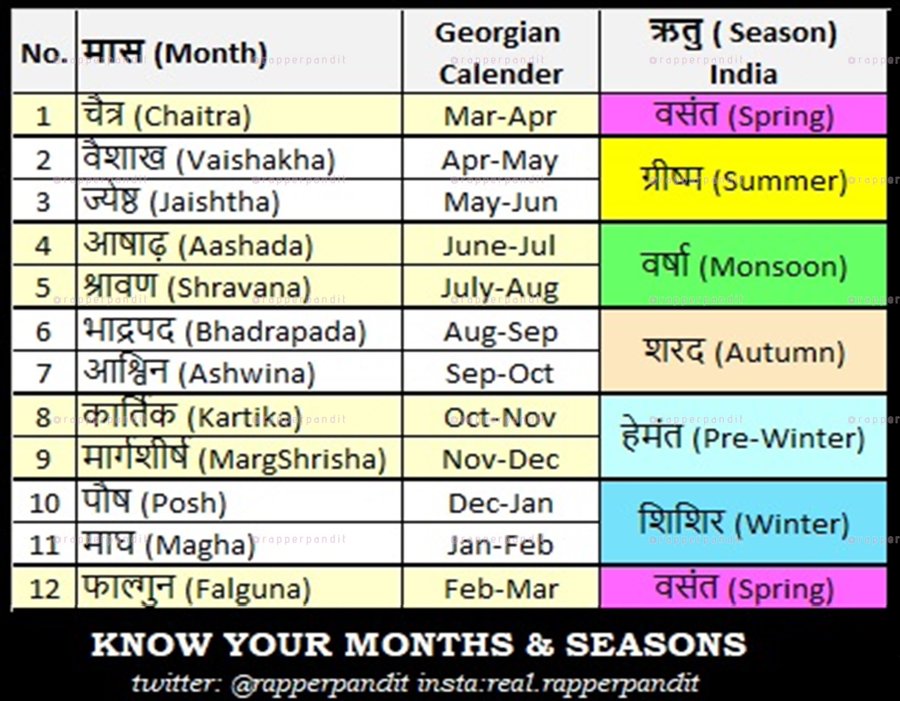
He divided Himself into twelve parts and created seasonal forms, beginning with spring. In this way He created the seasonal qualities, such as heat, cold and so on.
🔥
Srimad Bhagavatam, Canto 5, Chapter 22 describes our solar system in detail.
"yathā kulāla-cakreṇa bhramatā saha bhramatāṁ tad-āśrayāṇāṁ pipīlikādīnāṁ gatir anyaiva pradeśāntareṣv apy upalabhyamānatvād evaṁ nakṣatra-rāśibhir upalakṣitena kāla-cakreṇa dhruvaṁ meruṁ ca pradakṣiṇena paridhāvatā saha paridhāvamānānāṁ tad-āśrayāṇāṁ sūryādīnāṁ grahāṇāṁ gatir anyaiva nakṣatrāntare rāśy-antare copalabhyamānatvāt"
Translation :
Śrī Śukadeva Gosvāmī clearly answered:
When a potter’s wheel is moving and small ants located on that big wheel are moving with it, one can see that their motion is different from that of the wheel because they appear sometimes on one part of the wheel and sometimes on another.
Similarly, the signs and constellations, with Sumeru and Dhruvaloka on their right, move with the wheel of time, and the antlike sun and other planets move with them.
The sun and planets, however, are seen in different signs and constellations at different times.
This indicates that their motion is different from that of the zodiac and the wheel of time itself.
🚩🚩
The time that the passage of the sun takes moving through both the spheres above and below, speeding slow, fast or moderate, is in the descriptions of the scholars discussed as a samvatsara [a solar year],
a parivatsara [one twelfth of a revolution of Jupiter],
an idâvatsara [a day of the gods consisting of 360 solar days]
an anuvatsara [a lunar year comprising twelve lunations] and
a vatsara [a year to the ecliptic in terms of the 27 lunar mansions or nakshatras]
👩💼👩💼
"evaṁ candramā arka-gabhastibhya upariṣṭāl lakṣa-yojanata upalabhyamāno ’rkasya saṁvatsara-bhuktiṁ pakṣābhyāṁ māsa-bhuktiṁ sapādarkṣābhyāṁ dinenaiva pakṣa-bhuktim agracārī drutatara-gamano bhuṅkte.
Translation : Sun lit Moon, who is placed a hundred thousand yojanas [astronomy: ± 385.000 km] above [the earth] and is moving much faster [than the sun], is so the passage of one year of the sun covered by the passage of two fortnights, is in two and a quarter of a day one solar month [or one twelfth of the sky] passed and is in only one day [the portion of] a fortnight of solar days passed.
(Modern astronauts estimated distance between Earth and Moon to be 384,400 km)
🌏🌏🌏
tata upariṣṭād dvi-lakṣa-yojanato nakṣatrāṇi meruṁ dakṣiṇenaiva kālāyana īśvara-yojitāni sahābhijitāṣṭā-viṁśatiḥ.
Translation :
[More than] two hundred thousand yojanas behind [the moon], leaving Meru to the right are there, together with the many stars by the Controller attached to the wheel of time, the twenty-eight stars headed by Abhijit (Vega).
🌠
"tata upariṣṭād uśanā dvi-lakṣa-yojanata upalabhyate purataḥ paścāt sahaiva vārkasya śaighrya-māndya-sāmyābhir gatibhir arkavac carati lokānāṁ nityadānukūla eva prāyeṇa varṣayaṁś cāreṇānumīyate sa vṛṣṭi-viṣṭambha-grahopaśamanaḥ"
Translation :
At a distance of two hundred thousand yojanas there about [about the star center or the sun; astronomy: at a distance of 107 million km] there is Us’anâ [Venus], the planet that can be seen going in front, behind and rotating along with the sun just as fast, slow or with a moderate speed. It is of all the planets the one considered to exert as good as always a favorable influence in the form of rainfall, it by its movements neutralizes the influence of planets that obstruct rainfall.
🌅
"uśanasā budho vyākhyātas tata upariṣṭād dvi-lakṣa-yojanato budhaḥ soma-suta upalabhyamānaḥ prāyeṇa śubha-kṛd yadārkād vyatiricyeta tadātivātābhra-prāyānāvṛṣṭy-ādi-bhayam āśaṁsate"
Translation :
Another two hundred thousand yoyana’s behind Venus [astronomy: 57.9 million miles from the sun], so is explained, is there situated Mercury, the son of the moon; he is as good as always working auspiciously, but at the time he stands apart from the sun is there almost always an increase of fearful conditions like draughts, a closed sky, and stormy conditions.
🌅
"ata ūrdhvam aṅgārako ’pi yojana-lakṣa-dvitaya upalabhyamānas tribhis tribhiḥ pakṣair ekaikaśo rāśīn dvādaśānubhuṅkte yadi na vakreṇābhivartate prāyeṇāśubha-graho ’gha-śaṁsaḥ"
Translation :
Two hundred thousands yojanas outside of our orbit there is also Mars [astronomy: at about 228 million km from the sun]; in three by three fortnights does he, if he doesn’t make a curve, one after another pass through the twelve signs and in his approach he is as good as always an unfavorable planet giving trouble.
💥
"tata upariṣṭād dvi-lakṣa-yojanāntara-gatā bhagavān bṛhaspatir ekaikasmin rāśau parivatsaraṁ parivatsaraṁ carati yadi na vakraḥ syāt prāyeṇānukūlo brāhmaṇa-kulasya"
Translation :
Two hundred thousand yojanas outside of Mars [astronomy: 778.3 million km from the sun] is there the most powerful planet Jupiter who, if he doesn’t run a curve, takes a year [parivatsara] to one after another move through one sign; to the brahmins in the universe he almost always turns out to be very favorable.
💥
"tata upariṣṭād yojana-lakṣa-dvayāt pratīyamānaḥ śanaiścara ekaikasmin rāśau triṁśan māsān vilambamānaḥ sarvān evānuparyeti tāvadbhir anuvatsaraiḥ prāyeṇa hi sarveṣām aśāntikaraḥ"
Translation :
Two hundred thousand yojanas behind him is situated Saturn [astronomy: 1.43 billion km from the sun], who takes a period of thirty months to travel through each single sign and for sure is as slow as taking an equal number of years [anuvatsara’s] to pass through all of them; he indeed means almost always a lot of trouble to all.
🔥🔥
"tata uttarasmād ṛṣaya ekādaśa-lakṣa-yojanāntara upalabhyante ya eva lokānāṁ śam anubhāvayanto bhagavato viṣṇor yat paramaṁ padaṁ pradakṣiṇaṁ prakramanti"
Translation :
1.1 million yojanas beyond that one are situated all the great sages who verily always think of the good fortune of the inhabitants of all the worlds; leaving it to the right do they circumambulate the transcendental abode of the Supreme Lord Vishnu [the center of the stars]
🌠🌏🌠
At first glance, the cosmology of the Srimad-Bhagavatam might seem like a wild fantasy. Here are four ways to make sense of it all.
The inquisitive human mind naturally yearns to understand the universe and man’s place within it. Today scientists rely on powerful telescopes and sophisticated computers to formulate cosmological theories. In former times, people got their information from traditional books of wisdom.
Followers of the Vedic culture, for example, learned about the cosmos from scriptures like the Srimad-Bhagavatam, or Bhagavata Purana.
But the Bhagavatam’s descriptions of the universe often baffle modern students of Vedic literature. Here Bhaktivedanta Institute scientist Dr. Richard Thompson suggests a framework for understanding the Bhagavatam’s descriptions that squares with our experience and modern discoveries.
💥🔥💥
The Srimad-Bhagavatam presents an earth-centered conception of the cosmos. At first glance the cosmology seems foreign, but a closer look reveals that not only does the cosmology of the Bhagavatam describe the world of our experience, but it also presents a much larger and more complete cosmological picture. I’ll explain.
✍️✍️✍️✍️✍️✍️
For verification : http://www.bhagavata.org/canto5/c5-contents.html
Tuesday, August 15, 2017
The Britishers took away the control of India from the Marathas and not from the Mughals
Courtsy :Pulkit Mishra- @pulkitmishra007
Can you name the war that the Mughals fought against the British? You cannot because there was none.
When Robert Clive defeated the Nawab of Bengal in the Battle of Plassey to put the foundation stone of the British Empire,
the Mughal Emperor Alamgir II, was a 58 year old puppet, put to the throne by the Mighty Marathas and kingmaker Imad-ul-Mulk.
Yes, Marathas and not Mughals were the dominant power, when the British entered India.
In fact, Marathas ruled over an Empire larger than that of Akbar, dominating India for over 75 years.
Martial Arts and Zen buddhism were founded in China by an Indian
Courtsy :Pulkit Mishra- @pulkitmishra007
Bodhidharma, a Pallava prince from Kanchipuram in Southern India went on to become the first patriarch of the Chan Buddhism in China.
We have bad slavery blood, hence tend to believe more in non-Indians. Here is the proof
https://www.youtube.com/watch?v=GQiK8m_Z8fo
Wednesday, August 9, 2017
Best Devanagari Typefaces
Absolute Hindu Monarchy. No compromise.
Apr 20
Best Devanagari Typefaces
Find few beautiful fonts among the slim pickings of this Brahmi based gorgeous script

Anatomy of the Devanagari Font
If one script were to represent the great Indian intellectual tradition, it would without doubt be the Devanagari Script (Devanāgarī or देवनागरी). Used for over 120 languages including the major ones such as Sanskrit, Hindi, Marathi, Nepali among others this is a very beautiful script. Even though it’s the native script for more than 500 million people, selection for typefaces are pretty bad. However, recent explosion of mobile usage across the globe might help curb these issues.
Here, I present to you a list of high quality Devanagari typefaces which I think are worth of use and praise. Hopefully, this encourages people to make many more.
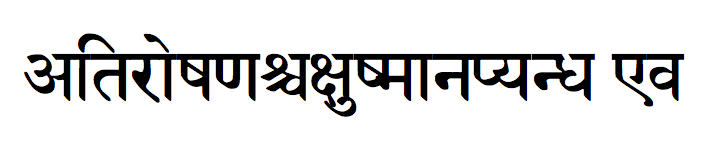
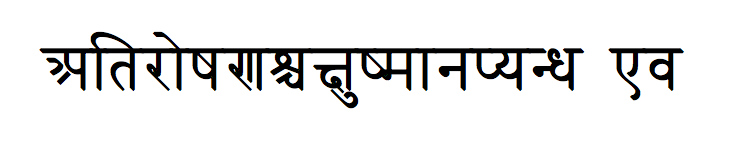
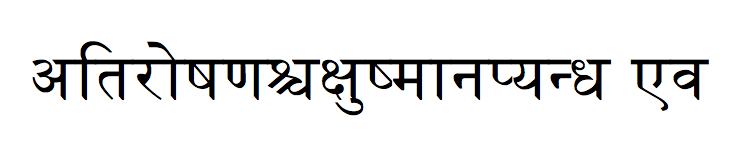
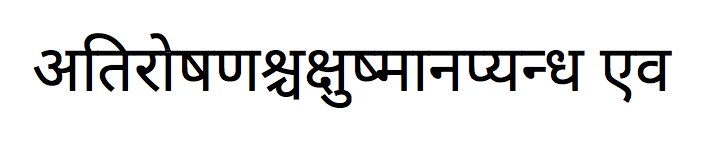
Test text: अतिरोषणश्चक्षुष्मानप्यन्ध एव (The angry person, though possessing eyes, is blind.)
Sanskrit 2003

Sanskrit 2003 Typeface
Sanskrit 2003 from Omkarananda Ashram Himalayas is one of the classic Devanagari font. It one of the widely used typeface for Devanagari.
Chandas and Uttara

Chandas with its Northern style Devanagari

Uttara with its Southern Bombay style Devanagri
These fonts are very comprehensive with tons of complex conjuncts. In Uttara I’ve seen the best implementation of Southern Bombay style Devanagari.
Devanagari MT

Devanagari MT Regular
Default font for Mac OS X until recently. This is the Times New Roman of Devanagari. Best for printed text and long reading. Really well designed without sacrificing the beauty for functionality.
Lohit Devanagari

Lohit Devanagari Regular
Default font for Linux commissioned by RedHat, Lohit Devanagari is a standard fare. It was one of few early OpenType fonts and I’ll always be thankful for that.
Kohinoor Devanagari

Kohinoor Devanagari Light
Default for Mac OS and iOS, this font from Indian Type Foundry (IFT) is a well designed modern font. Very legible on smartphones and simple for beginners. This takes the place of Helvetica for Devanagari.
Noto Sans/Serif Devanagari

Noto Sans Devanagari

Noto Serif Devanagari
These open source fonts from Google are modern and really well-designed. I find myself going back and forth between this and Kohinoor Devanagari for any web projects.
ITF Devanagari

IFT Devanagari Light
This is a pretty well made font best for print and long form texts. I like the minimal look of this typeface.
Brahmos Devanagari

Brahmos Devanagri Bold
This iconic typeface from IFT captures the essence old movies titles and wall posters throughout the alleys of South Asia.
CV Ganesh

Ganesh
Though a non-Unicode font, this is a very popular typeface used in large print and we can see why. Really love the grounded feeling it evokes. It’s very aptly named too. Hopefully, this will be available as an Unicode OpenType font soon.
Aananda Akchyar

Akchyar Unicode Regular
This is one of the few handwriting style Devanagari fonts. Really readable and stylish at the same time.
Kruti Dev 500

Kruti Dev 500 Regular
Not an Unicode font but this is one most used Devanagari font through the Indian subcontinent and very iconic too.
Kruti Dev 690

Kruti Dev 690 Normal
From the same famous Kruti family, this is another iconic font too. Used for titles and large printing, this is a gorgeous typeface
Monday, July 17, 2017
types of commentaries
8 types of commentaries:
1 Vritti
2 Paddhati
3 Bhashya
4 Tika
5 Panjika
6 Karika
7 Varttika
8 Samiksha